Track Your Histamine Reactions. Find Your Threshold.
Histamine intolerance is cumulative—it's not just one food, it's the total load. You might tolerate aged cheese for lunch and fermented foods for dinner separately, but together they push you over your tolerance edge. ReactLog helps you track high-histamine foods, symptoms like flushing, headaches, hives, digestive issues, and congestion—revealing your personal histamine threshold.
Living with Histamine Intolerance is Complex. You're Managing Multiple Variables.
Histamine intolerance isn't straightforward. It's cumulative—your body can only break down so much histamine per day. Eat one aged food? Fine. Eat two? Maybe fine. Eat three plus a fermented drink? You hit your threshold and symptoms flare: flushing, headaches, hives, bloating, congestion, anxiety.
The challenge is that your threshold is individual. What triggers a reaction in you might not affect someone else. Some people tolerate small amounts of leftover chicken (higher histamine after a few days), while others react immediately. Some can handle fermented foods fine but struggle with aged cheeses. You need to discover your unique tolerance pattern.
Without tracking, you're guessing blindly. You might avoid high-histamine foods unnecessarily, making your diet restrictive and joyless. Or you might not realize that the combination of foods you chose at dinner is what caused tonight's flushing and headache—it wasn't any single item, it was the total load.
The solution is systematic tracking. Log what you eat, note the histamine content of foods you consume, and track your symptoms in real time. After 2-3 weeks of consistent data, ReactLog's analytics reveal your personal histamine tolerance curve. You see which food combinations trigger reactions, what your safe daily limit is, and which specific foods are worth avoiding versus which you can moderate.
Discover Your Histamine Threshold in 3 Steps
Learn your personal tolerance by tracking foods, cumulative load, and reactions.
Log Your Foods
Each meal, record what you ate and note the histamine level of each food: high (aged cheese, fermented foods, leftover meat), medium (tomatoes, spinach, nuts), or low (fresh chicken, rice, fresh vegetables). ReactLog's database includes histamine levels for 200+ foods. Track portion size and timing.
Track Symptoms Daily
Log symptoms and mood throughout the day—after meals, mid-afternoon, before bed. Track flushing, headaches, hives, digestive issues, congestion, anxiety, energy, and overall mood. The more frequently you check in with how you feel, the more precisely ReactLog can determine which foods trigger reactions and how quickly—some hit in minutes, others build over hours.
See Your Pattern
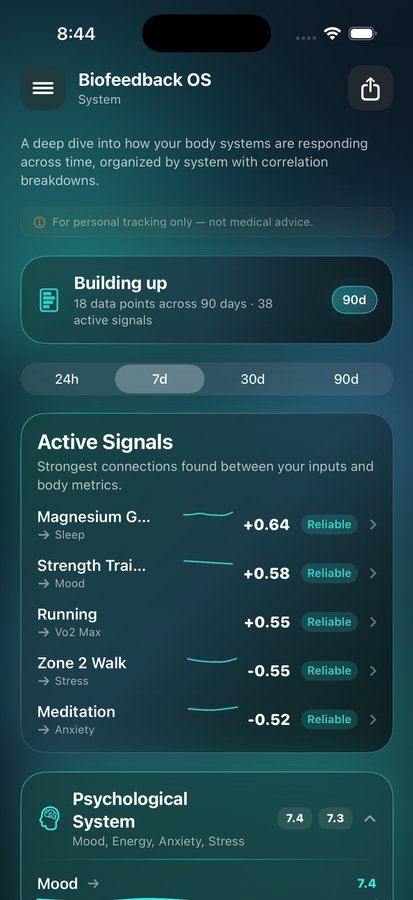
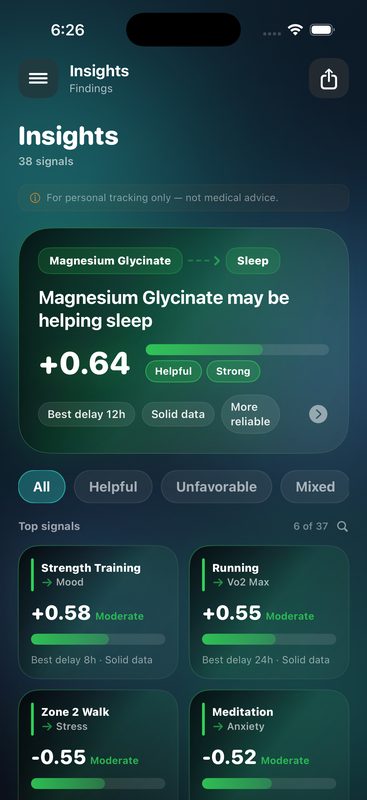
After 2-3 weeks, ReactLog's on-device analytics reveal your threshold. You'll see: "Days with 3+ high-histamine foods correlate with evening flushing." Or "Fermented foods trigger headaches within 2 hours." Discover which combinations matter and which individual foods you actually tolerate fine.
Track Everything About Your Histamine Intolerance
ReactLog captures all the variables that matter for managing your intolerance:
High-Histamine Foods
Aged cheeses, cured meats, fermented foods, leftovers, tomatoes, spinach, and more
Cumulative Load
Calculate total histamine intake per meal and day—your cumulative threshold
Histamine Symptoms
Flushing, headaches, hives, itching, digestive issues, congestion, tachycardia, anxiety
Reaction Timeline
Note when symptoms appear after eating—immediate vs. delayed reactions—to see patterns
Severity Ratings
Rate symptom severity (mild, moderate, severe) to track your reactions quantitatively
Daily Triggers
Identify your personal food triggers and combination patterns over time
Food Database
Built-in database of 200+ foods with histamine levels, plus custom entries
Threshold Insights
Analytics reveal your personal histamine tolerance curve and safe daily limits
Your Histamine Data Stays on Your Phone
Privacy-first design for sensitive health tracking.
Your food choices and health reactions are deeply personal data. You don't want companies selling your histamine intolerance data to food manufacturers, insurance companies, or advertisers. Yet traditional health apps profit by collecting and monetizing exactly that information.
ReactLog works differently. We built a privacy-first app that respects your autonomy and health autonomy:
- No backend servers — Your histamine logs never leave your device. All data processing happens on your phone.
- Zero data collection — We don't send telemetry, tracking, or analytics anywhere. We have no servers to send data to.
- No account required — You don't need to log in, create an email, or identify yourself. Anonymous by design.
- Face ID/Touch ID lock — Your histamine intolerance data is biometrically secured. Only you can access your app.
- You own your data — Export your food logs and reaction history anytime. You control your health information.
We charge for the app instead of charging you with your privacy. When you pay for an app, the product is the app—not your data. We want you to use ReactLog confidently, knowing your health information stays with you.
Frequently Asked Questions
What is histamine intolerance and why does it matter to track?
Histamine intolerance occurs when your body cannot efficiently break down histamine from food, leading to cumulative reactions. It's not about a single food triggering you—it's about the total histamine load over a meal or day. By tracking foods and symptoms consistently for 2-3 weeks, you can discover your personal threshold: how much total histamine your body can handle before symptoms appear, and which food combinations push you over that edge.
What symptoms should I track for histamine intolerance?
Common histamine intolerance symptoms include facial flushing or heat waves, headaches or migraines, hives or itching (often on scalp or hands), digestive issues like bloating, cramping, diarrhea, or constipation, nasal congestion or sinus congestion, rapid heartbeat (tachycardia), anxiety, and joint or muscle pain. Symptoms can appear immediately or be delayed by several hours. ReactLog lets you track any combination of these symptoms specific to your reactions and correlate them with the foods you've eaten.
How does the cumulative histamine load concept work?
Histamine intolerance is cumulative because your body has a limited capacity to break down histamine using enzymes like DAO. You might tolerate one serving of aged cheddar (high histamine) at lunch, but adding fermented foods at dinner tips you over your daily threshold and triggers a reaction. ReactLog helps you see this pattern: maybe 1-2 high-histamine foods per day is fine, but 3+ causes flushing and headaches. You discover which food combinations are safe for you versus which push you over your personal tolerance limit.
Is my histamine tracking data private?
Yes, absolutely. ReactLog has no backend servers and zero data collection. Your food logs, histamine data, symptom entries, and reaction patterns never leave your iPhone. All analytics and pattern-detection happen on-device using your phone's processor. You can lock the app with Face ID or Touch ID for an additional security layer. Your histamine intolerance data is entirely yours and stays entirely on your device.
How long does it take to find my histamine threshold?
Most people identify meaningful patterns within 2-3 weeks of consistent daily tracking. You'll start noticing which specific foods reliably trigger reactions (aged foods, fermented foods, leftovers), which combinations push you over your threshold, and what your safe daily histamine load is. Some users discover their threshold faster if they have strong reactions, while others want 4-6 weeks of data to feel confident. Consistency matters most—tracking every day gives you more reliable patterns than sporadic entries.
Start tracking today.
Stop guessing about your histamine threshold. Track your foods and reactions for 2-3 weeks and discover your personal tolerance pattern. 100% private, no account required.